Every job below is one we do ourselves across Collierville.
We dig footings below the frost line and set them on solid ground, not on whatever's easiest to reach with a shovel. From there we frame with pressure-treated joists at 16 inches on center, run the decking, and hang the rail last so the whole structure is square before anything's fastened down.
Most repair calls are a soft board, a loose post, or a step that's started to bounce. We pull the bad boards back to solid framing, because a rotten joist under a good-looking board is still a rotten joist.
Untreated wood grays and starts to crack within a season or two out here, especially decks that get full afternoon sun. We pressure wash first, let it dry a couple of days, then seal it, and we won't stain over wood that's still wet no matter how tight the schedule is.
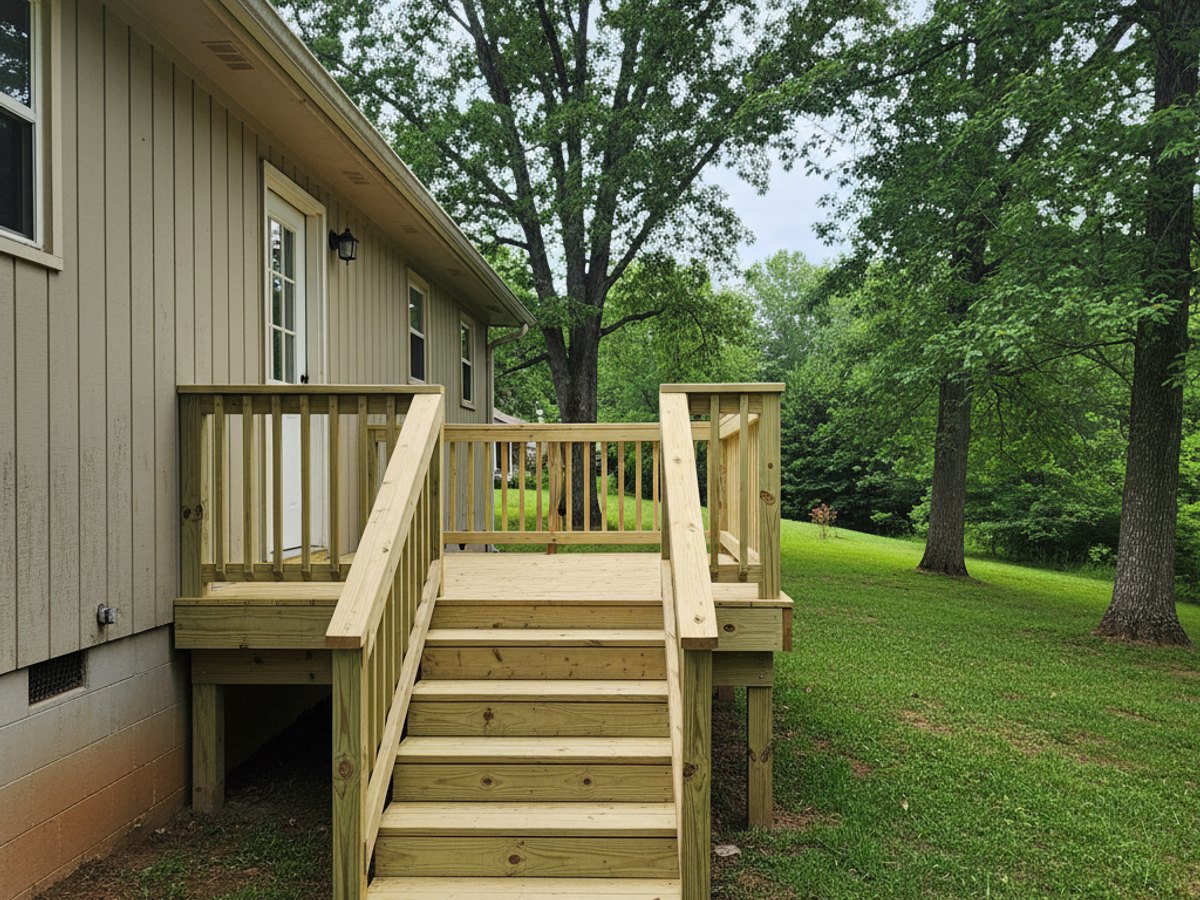
Some yards need a single-level deck off the back door, some need three levels tied together with stairs because of a slope. We figure the load path down to the footings before we ever price it, and walk you through where the stairs and rail lines will actually land.
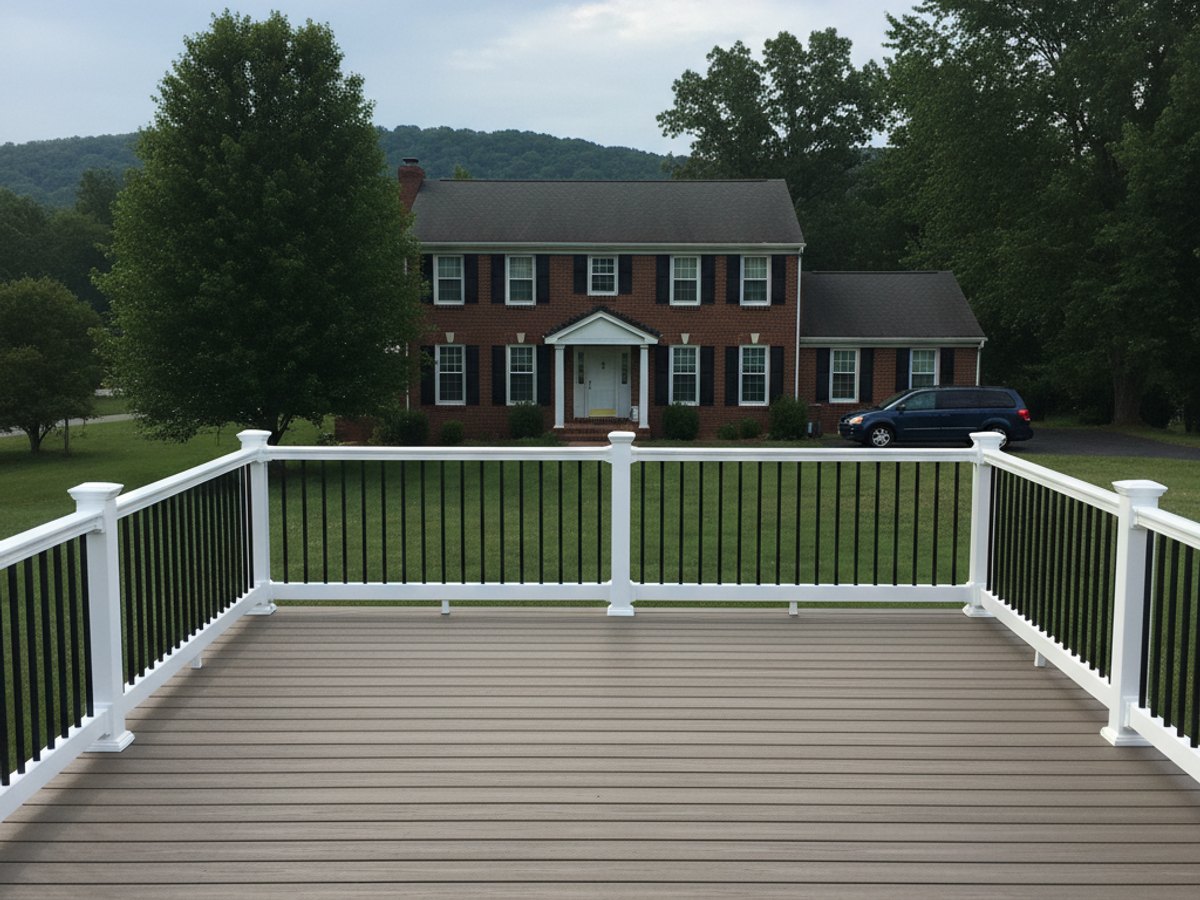
Composite doesn't rot, but it still has to sit on a proper frame. Boards like Trex and TimberTech expand and contract more than wood does, so we leave the manufacturer's spec gap and use hidden fastener systems instead of face screws.
Code calls for balusters spaced so a 4-inch sphere can't pass through, and a top rail that can take real lateral load, not just look sturdy. We rebuild sections that have started to lean, and we won't leave a post that wiggles even a little.
We frame the screen panels off the existing deck or build them into a new one, and flash the roof line so water doesn't track back into the house. It keeps the bugs out in July without turning the deck into a room you have to condition.
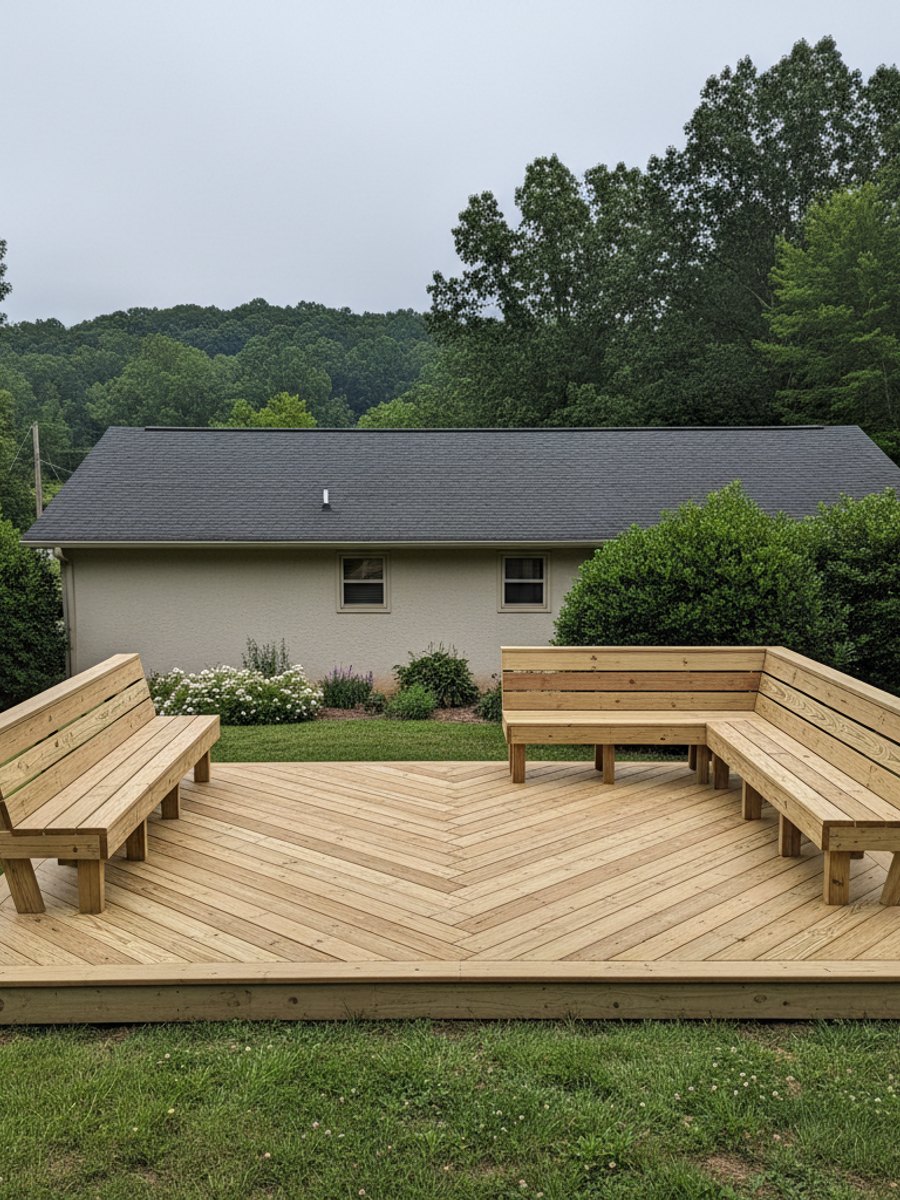
If the frame's still solid but the boards are cupped, splintering or just outdated, we strip the decking and reset new boards on the existing joists. It costs less than a full rebuild and it's usually done in a day or two.
Stacked decks and stairs between levels put more load on the footings and the ledger than a single flat deck does. We size the beams and posts for that extra weight up front, instead of finding out it's undersized after somebody's standing on it.
This is the part nobody sees once the boards go down, which is exactly why it gets skipped by builders in a hurry. We replace rotted rim joists, re-flash ledger boards that were never flashed right the first time, and reset footings that have started to heave.
Four steps, and no surprises in any of them.
You tell us what you want doing, we look at what is actually there, and we ask the awkward questions early.
In writing, itemised, free. If something might add cost later we flag it now rather than at the end.
Same crew throughout. We cover your floors, keep the dust down and tidy up before we leave each day.
You point out anything you are not happy with and we fix it before the invoice, not after.
We drive out to all of these towns for both new builds and repair calls.
Questions that come up once a deck project actually gets underway.
Describe the problem and we will tell you what it probably is. No obligation.